The Future of Food Packaging: Trends Shaping the Industry in 2025
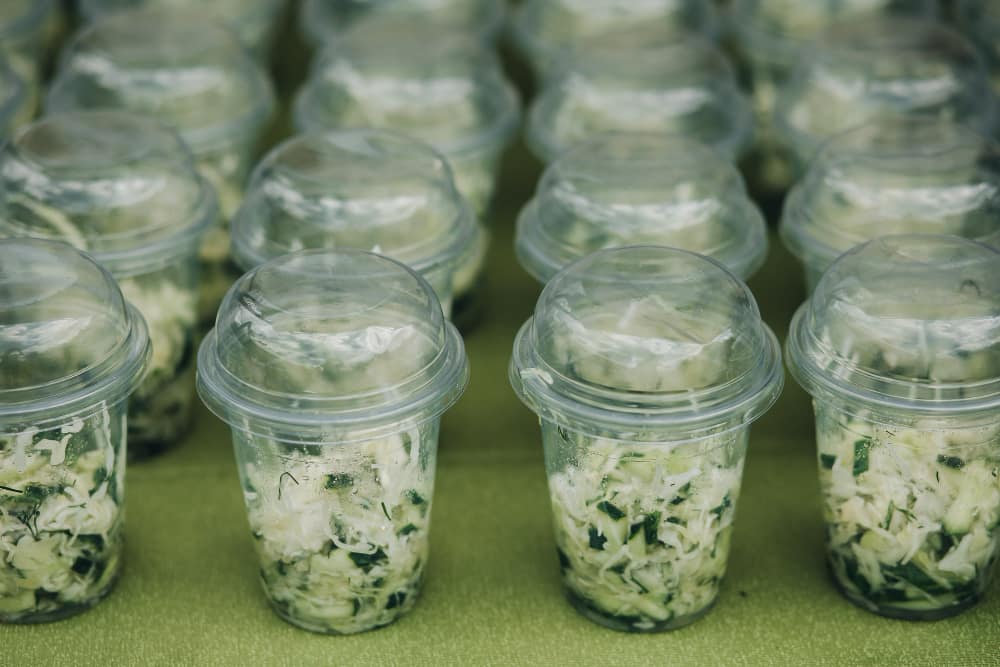
As we move into 2025, the food packaging industry continues to evolve in response to consumer preferences, regulatory changes, and technological advancements. Sustainability, smart packaging, and enhanced functionality are at the forefront of this transformation. Here are the key trends shaping the future of food packaging in 2025.
1. Sustainable Packaging Materials
With increasing awareness of environmental issues, businesses are shifting towards eco-friendly packaging solutions. Biodegradable, compostable, and recyclable materials are replacing traditional plastic packaging. Innovations in plant-based materials, such as seaweed packaging and mushroom-based alternatives, are gaining traction as viable solutions to reduce waste.
2. Smart Packaging Technology
Smart packaging integrates digital innovations like QR codes, RFID tags, and sensors to enhance consumer engagement and supply chain transparency. These technologies provide real-time information on product freshness, storage conditions, and traceability, helping consumers make informed purchasing decisions.
3. Minimalist and Functional Designs
Consumers are increasingly seeking packaging that is easy to open, resealable, and minimalistic in design. Brands are focusing on lightweight, space-efficient packaging that reduces material usage while maintaining product integrity. Functional designs, such as portion-controlled and on-the-go packaging, cater to busy lifestyles and convenience-oriented consumption.
4. Edible Packaging
One of the most exciting developments in food packaging is edible packaging, which eliminates waste entirely. Innovations in this space include films made from seaweed, rice, and milk proteins that can be consumed along with the product. This trend is expected to grow as businesses explore new ways to minimize environmental impact.
5. Increased Regulation and Compliance
Governments worldwide are imposing stricter regulations on packaging waste and food safety. In 2025, businesses will need to comply with policies aimed at reducing single-use plastics, improving recycling systems, and ensuring food packaging materials are safe and non-toxic.
6. Personalized and Branded Packaging
Personalization in packaging is becoming a crucial strategy for brands to create stronger customer connections. Advanced printing technologies allow for customized packaging with names, messages, or even interactive experiences through augmented reality (AR) features. This enhances brand loyalty and engagement.
Conclusion
The food packaging industry in 2025 is set to be more sustainable, technologically advanced, and consumer-centric than ever before. Businesses that adapt to these emerging trends will gain a competitive edge while contributing to a greener and more efficient future. Investing in innovative packaging solutions is no longer optional—it’s a necessity for staying relevant in a rapidly changing market.